
June 17, 2026

6
min read
What Income Do You Put on a Tax Return?
From freelance work to rent, dividends and crypto: what counts as income on your Self Assessment, and what doesn't.
From freelance work to rent, dividends and crypto: what counts as income on your Self Assessment, and what doesn't.
One of the most common worries with a tax return is simply not knowing what to put on it. Leave something off by mistake and you could owe more than you thought. Put the wrong thing on and you might pay tax you did not need to.
This guide walks through what counts as income on a Self Assessment return, the allowances that let some of it go untaxed, and the things you can leave off completely.
Income is money you have earned or received that has not already been taxed. If tax was taken before it reached you, through PAYE on a salary for example, you usually do not need to report it again. Self Assessment is mainly about the income HMRC does not already know about.
Here are the main types that need to go on your return.
If you work for yourself, whether full time or as a side hustle alongside a job, the money you earn from it is taxable. You report your total income from self-employment, then take off your allowable expenses to work out your profit. It is the profit that gets taxed.
There is one helpful threshold. If you earned £1,000 or less from self-employment in the whole tax year, the trading allowance covers it and you usually do not need to declare it at all.
If you rent out a property, the rent you receive is taxable income. As with self-employment, you can deduct certain costs, and there is a separate £1,000 property allowance for small amounts of rental income.
This applies whether it is a flat you let out, a second property, or even renting out a room beyond a certain amount.
Interest from savings can be taxable, but most people have an allowance that covers it. For 2025/26 the Personal Savings Allowance is £1,000 for basic-rate taxpayers and £500 for higher-rate taxpayers. Only interest above your allowance is taxed.
Interest earned inside an ISA is different. It is always tax-free, and you never declare it.
If you own shares and receive dividends, these can be taxable too. You get a dividend allowance of £500 for 2025/26, and anything above that is taxed at a rate based on your income.
Again, dividends from shares held inside an ISA are tax-free and stay off your return entirely.
Crypto is taxable, and this catches a lot of people out. When you sell, swap one coin for another, or spend it, any gain you have made can be subject to Capital Gains Tax. Some activity, like staking rewards or being paid in crypto, counts as income instead.
The rules here are genuinely tricky, and from 2026 UK exchanges report user data to HMRC automatically, so it is more important than ever to get it right.
If you live in the UK and have income from abroad, a foreign pension, overseas rental income, or earnings from work done in another country, it usually needs to go on your return. The rules depend on your residency and the country involved, so this is an area where advice helps.
Leila works as a teacher, with her salary taxed through PAYE. She also has a small flat she rents out, which brought in £9,000 last year, and she earned £220 in savings interest.
Leila's teaching salary is already taken care of, so it does not need reporting again. The rental income does need to go on a return, after deducting her allowable costs. Her £220 of savings interest sits well under her Personal Savings Allowance, so there is no tax to pay on it, though it can still be worth noting. The rental income is the part that brings Leila into Self Assessment.
Just as useful is knowing what you do not need to declare:
When in doubt, it is safer to check than to guess. Leaving out income you should have declared can lead to a bill later, with interest added.
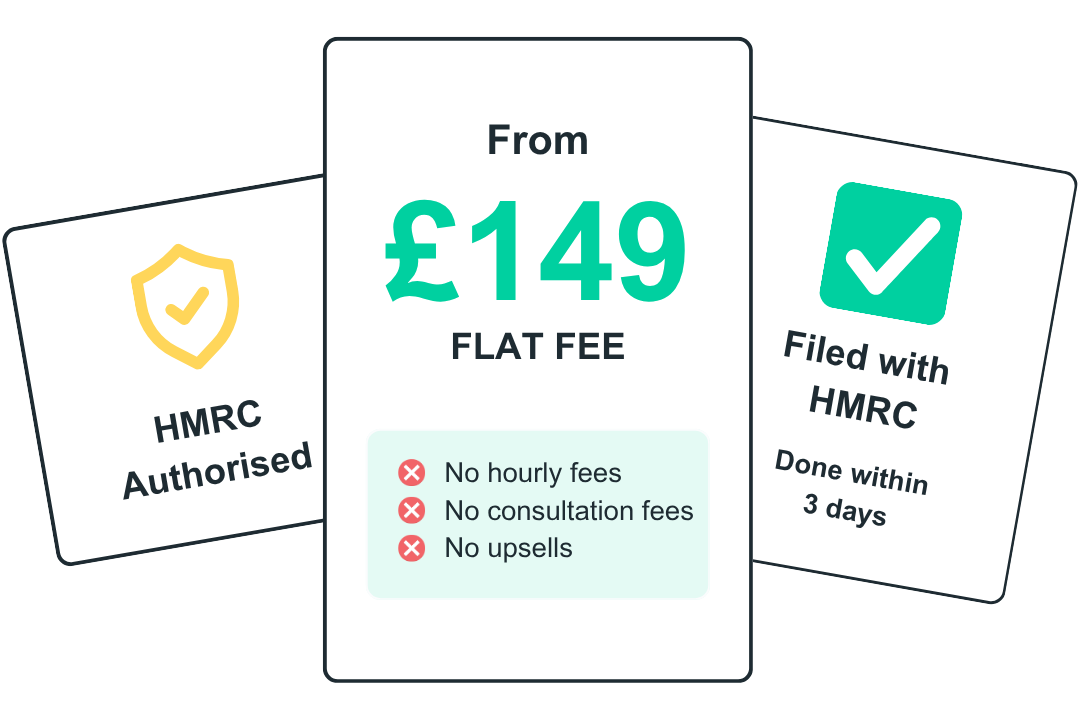
Working out what goes on your return, and what does not, is one of the most common reasons people come to us. A chartered accountant reviews your full picture, makes sure nothing is missed, and claims everything you are entitled to. A Simple Tax Return is £149, all in. You fill out one form, and we take it from there.
.png)
We’ll handle your tax return from start to finish.